 Written by Shlomit Malka
10/07/2026
5 min
Independent, Not Alone
For a few days I was convinced there was a hive inside my thyme plant. What I found instead changed…

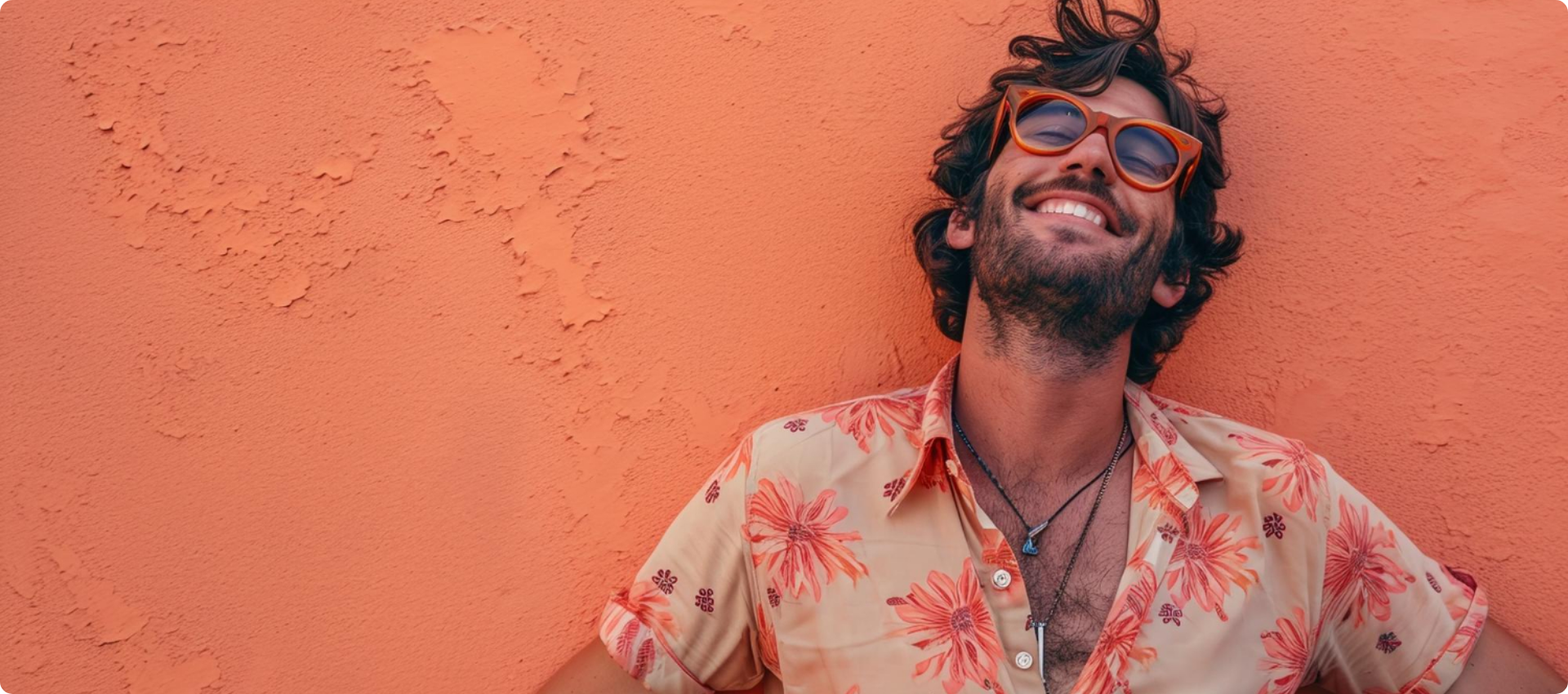
Oren does not design from scratch.
He buys original pieces from luxury brands. Jackets that cost thousands. Vintage monogram bags. Limited edition hoodies. Then he cuts them apart.
He deconstructs sleeves, flips linings, stitches logos into unexpected places. Every piece he creates carries the history of something recognizable, but becomes something entirely new.
Some call it rebellion. Others call it art.
When he was invited to present his collection at a respected fashion week runway show, it felt like validation. A real stage. Press. Buyers. Cameras.
And then the questions started.
“Am I even allowed to show this publicly?” he asked.
He understood design. He understood silhouette and texture. What he did not fully understand was where reinterpretation ends and infringement begins.
The invitation agreement from the show producers included clauses about intellectual property representations and warranties. He would need to confirm that he owned the rights to everything presented. That no third party claims could arise. That he would indemnify the organizers.
He imagined a cease and desist letter arriving the week after the show.
He had seen other upcycling designers online, but no one talked openly about the legal side. Was everyone just hoping for the best?
Oren turned to happ.

Inside the platform, he searched the community clause library to see how other creators handled runway presentations, derivative works, and brand references. He found variations of disclosure clauses, transformation statements, and limitation of liability language used by designers working with reclaimed or modified branded materials.
“That was the first time I realized I’m not the only one navigating this,” he said.
Using happ’s AI clause assistant, he described his exact model: original items purchased legally, substantially transformed into one of a kind pieces, no affiliation with the original brands, clear artistic reinterpretation.
The AI generated tailored clauses that:
He refined the language, adjusted tone, and inserted the clauses into his runway participation agreement.
He also added a media usage clause of his own. If photographers captured his pieces, he retained rights to use those images in his portfolio. No surprises later.
When he sent back the signed agreement, it felt different from past collaborations. Not defensive. Not vague. Structured.
The show producers did not push back. They appreciated the clarity.
On the night of the runway, as his reconstructed jacket walked under the lights, Oren felt the familiar creative rush. But there was something steadier beneath it.
“For the first time,” he said, “I wasn’t just thinking about how bold the piece was. I knew the framework around it was solid.”
After the show, he reused the same legal structure for a concept store collaboration and an international pop up event. The art remained disruptive. The agreements did not.
“I still cut into expensive clothes,” he smiled. “I just don’t cut corners anymore.”
A bold aesthetic meets public exposure
Being invited to a major runway show elevated Oren’s work to a new level of visibility, but also introduced legal questions around brand use and intellectual property.
Artistic transformation vs infringement
Working with deconstructed luxury garments raised legitimate questions about trademark representation, endorsement, and liability exposure during a public fashion event.
Clauses tailored to a unique practice
By reviewing how other designers approached similar situations and generating customized clauses through happ’s AI assistant, Oren created a clear and defensible legal foundation.
Confidence under the spotlight
With a solid agreement in place, Oren could focus on the runway presentation itself, knowing his artistic reinterpretation was supported by thoughtful legal boundaries.
Oren was creating new garments from luxury branded items and was unsure how intellectual property, trademark references, and liability would affect his participation in a public runway show.
Through happ, he reviewed how other designers structured runway and derivative work clauses, then used the AI assistant to generate tailored legal language clarifying lawful acquisition, artistic transformation, non affiliation, and liability boundaries.
Yes. happ provides access to a community clause library and AI assisted drafting tools that help creators tailor legal language to their specific business model and risk profile.
Yes. Users can describe their exact scenario and generate clauses aligned with their workflow, then refine them before finalizing their agreement.