



 Written by Shlomit Malka
10/07/2026
5 min
Independent, Not Alone
For a few days I was convinced there was a hive inside my thyme plant. What I found instead changed…

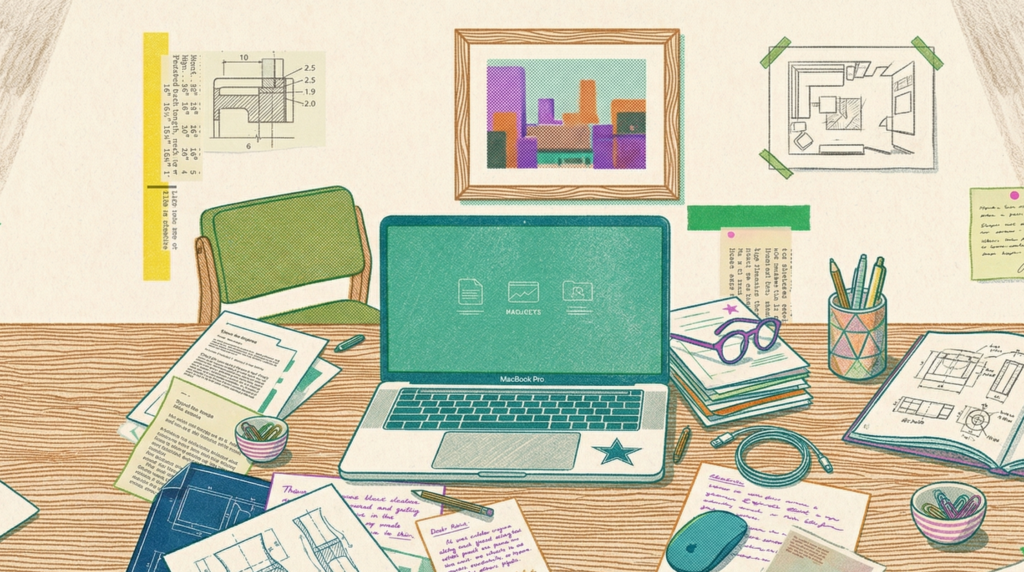
Cutting into a luxury jacket and turning it into something new. Sampling a 10-second clip in a YouTube essay. Reworking a vintage logo into a conceptual artwork. Welcome to remix culture.
In 2026, creative work rarely happens in isolation. Designers reinterpret brands. Musicians sample archives. Video creators stitch content across platforms. AI tools accelerate transformation. But legally, transformation does not automatically equal permission.
The question many creators quietly ask is simple: Where is the line?
Legal scholar Lawrence Lessig popularized the term “remix culture” in the early 2000s, describing a world where digital tools make it easy to build upon existing creative works. His book Remix argued that modern creativity often involves recombination rather than original-from-scratch production.
What has changed since then is scale. Social platforms, global resale markets, AI image and music generators, and fast cross-border commerce have intensified the legal exposure around derivative creativity.
Copyright protects original creative works such as music, art, writing, video, and design. It applies automatically when a work is created in tangible form.
Trademark protects brand identifiers: logos, brand names, slogans, and symbols that distinguish goods or services in commerce.
Upcycling often triggers trademark issues. Remix video or music content often triggers copyright issues. Some projects involve both.
Under U.S. copyright law, a “derivative work” is a new work based upon one or more preexisting works. This includes adaptations, remixes, transformations, and modifications.
In general, the right to create derivative works belongs to the original copyright holder. That means transforming a copyrighted work does not automatically eliminate the need for permission.
U.S. Copyright Office guidance: copyright.gov/circs/circ14.pdf
Fair use is often misunderstood. In the United States, courts evaluate four factors when determining fair use:
Importantly, “transformative” does not guarantee safety. The U.S. Supreme Court’s 2023 decision in Andy Warhol Foundation v. Goldsmith clarified that even highly transformative work can infringe if it substitutes for the original in the market.
Case overview: supremecourt.gov
In fashion upcycling, creators often purchase original garments legally and substantially alter them. The legal debate typically centers on:
U.S. trademark law emphasizes “likelihood of confusion.” If consumers might reasonably believe the original brand sponsored or approved the modified product, legal risk increases.
This is why many upcycling designers include clear disclaimers stating no affiliation or endorsement by the original brand.
On platforms like YouTube, TikTok, and Instagram, remix culture is often governed by platform-specific systems such as Content ID, licensing libraries, and automated detection.
YouTube’s copyright overview: support.google.com/youtube
However, platform approval does not equal legal immunity. Content may remain monetized through revenue sharing, muted, or removed depending on rights claims.
AI tools now allow creators to generate content “in the style of” existing artists or incorporate training data derived from copyrighted material. Legal frameworks around AI training data and output ownership are still evolving globally.
Several lawsuits involving AI image and music generators are ongoing as of 2026, particularly concerning training data usage and output similarity.
The practical takeaway: creators using AI should understand data sources, licensing terms, and platform policies before commercializing outputs.
There is no universal formula. But there are practical guardrails creators can follow:
Even when the legal boundary is gray, creators can reduce risk through structured agreements that:
Upcycling and remix culture are not fringe practices. They are central to modern creativity. But creativity and compliance must evolve together.
The line is not about whether you transformed something. It is about whether your transformation creates confusion, substitutes for the original market, or violates exclusive rights.
In 2026, the most resilient creators are not the ones avoiding remix culture. They are the ones structuring it thoughtfully.
Different rights, different risks
Copyright protects creative works, while trademark protects brand identifiers. Many remix disputes involve one or both areas.
Transformation is not automatic protection
Derivative rights belong to the original owner, and fair use is evaluated case-by-case under four statutory factors.
Likelihood of consumer confusion
Upcycled goods raise trademark concerns if consumers may believe the original brand endorses the modified product.
Platform rules and evolving case law
AI-generated content and platform remix systems introduce new legal complexities, particularly around training data and stylistic imitation.
 Written by